


Find the top fashion schools in Ghana, fully accredited by CTVET, GTEC, and other recognized regulatory bodies. These schools offer professional training in fashion design, garment construction, digital pattern making, and creative arts.
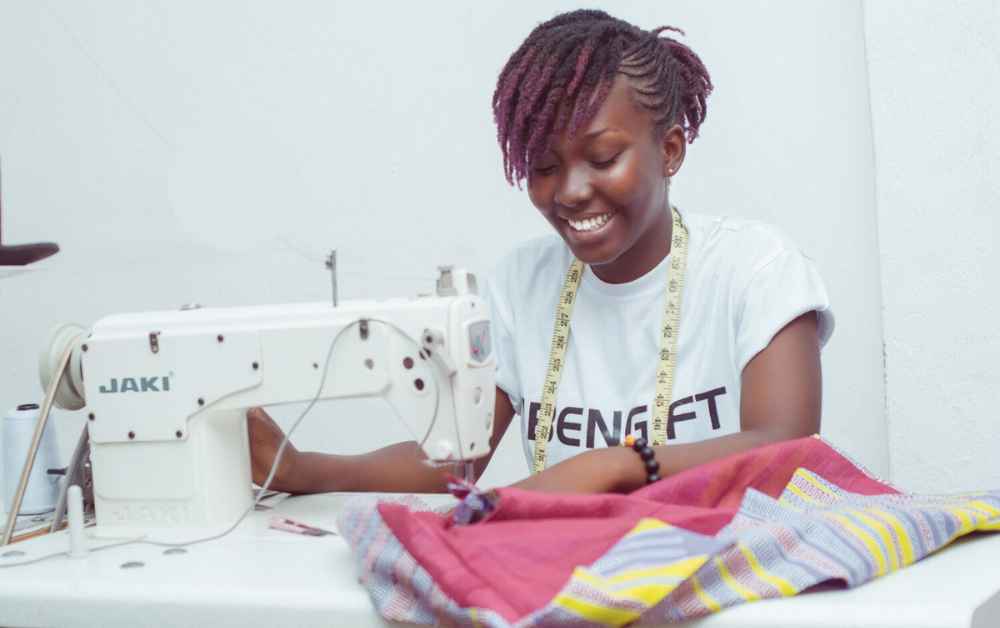
Ghana’s fashion industry has expanded steadily in recent years as more young people explore creative careers. The blend of traditional textiles, modern design, and a strong entrepreneurial culture has created a perfect environment for new talent. Fashion schools play an important role by offering structured training that helps students turn their passion into practical skills.
Why Fashion Education is Becoming More Popular
Fashion education in Ghana is growing quickly because more young people are beginning to see the industry as a real career path instead of just a hobby. The rise of social media has also created new opportunities for designers to showcase their work, attract clients, and build personal brands.
Many Ghanaians are starting their own clothing lines, and proper training helps them improve their skills and stand out in a competitive market.
Fashion schools provide structured learning, modern equipment, and hands-on experience that allow students to turn their creativity into professional-quality work. Parents are also becoming more open to creative careers, which has encouraged even more youth to explore fashion design, textile production, illustration, pattern making, and related fields. As a result, the demand for trained designers has increased, making fashion education more attractive than ever.
What Readers Can Expect From This Guide
This guide gives readers a full look at what it takes to study fashion in Ghana. It highlights the different types of programs offered, including short courses, certificate programs, diplomas, and degree options. Readers will also learn about general entry requirements, how applications work, and what documents are usually needed.
The guide breaks down some of the best fashion schools in Ghana and explains what each one offers, from course options to study duration and training facilities. It also helps readers understand the typical fees for various programs so they can plan their budget.
Why Study Fashion in Ghana?
Ghana is becoming one of the most creative fashion hubs in West Africa, making it a great place to build a career in design. The country has a strong culture of textiles, vibrant prints, and handmade craftsmanship, which gives students a rich environment to learn and develop their own style. Studying fashion in Ghana also gives learners access to mentors, workshops, and growing fashion events that help them gain real industry experience.
There is a rising demand for skilled designers, tailors, pattern makers, illustrators, and stylists. Many local brands are expanding, and international markets are showing more interest in African-inspired fashion. This means students who train in Ghana have the chance to work locally or build careers that reach beyond the country.
Another advantage is the wide range of study options. Students can choose short practical courses, certificates, diplomas, or full degree programs, depending on their goals. Most fashion schools also offer hands-on learning, which helps students build strong portfolios and prepare for real clients or job opportunities.
Types of Fashion Programs Offered in Ghana
Fashion schools in Ghana offer a variety of programs designed for beginners, intermediate learners, and advanced students. These programs focus on both creative and technical skills, giving learners the tools they need to build a strong foundation in fashion design and garment production.
1. Short Courses
These are practical, hands-on classes that focus on specific skills such as sewing, illustration, pattern drafting, garment construction, beading, embroidery, and millinery. They are perfect for beginners or anyone who wants to improve a particular skill within a short time.
2. Certificate Programs
Certificate courses provide structured training in basic fashion design and tailoring. Students learn the essentials of sewing techniques, pattern cutting, garment finishing, and how to use basic machines. These programs usually take a few months to complete.
3. Diploma Programs
Diploma courses offer deeper training in both fashion design and production. Students learn creative design, textile studies, advanced pattern construction, fashion illustration, and garment production. Diplomas typically last one to two years and prepare students for entry-level roles or entrepreneurship.
4. Degree Programs
Some universities and higher institutions offer bachelor’s degrees in fashion design, textile design, or related fields. These programs combine theory, research, and practical training. They are suitable for students who want a comprehensive education and wider career opportunities.
5. Specialized Workshops and Masterclasses
These are short-term training sessions taught by experienced designers and industry professionals. They cover specific areas such as bridal couture, fashion business, digital fashion illustration, or advanced tailoring techniques.
Admission Requirements for Fashion Schools in Ghana
Admission requirements vary depending on the type of program and the level of training offered, but most fashion schools in Ghana follow similar guidelines.
Below are the common requirements students should expect:
- Academic Qualifications
Many institutions accept WASSCE or SSCE results, especially for diploma and degree programs. Short courses and certificate programs may not require formal academic qualifications. - Application Form
Applicants are usually required to fill out an application form either online or in person. The form collects personal details, educational background, and course preferences. - Portfolio Submission
Some schools request a simple portfolio. This may include sketches, designs, or samples of previous work. Beginners without experience are often allowed to apply without a portfolio. - Identification Documents
Applicants may need to provide a copy of their ID, passport picture, or birth certificate as part of the admission process. - Interview or Practical Assessment
A few institutions conduct interviews or hands-on assessments to understand the applicant’s interest and basic skills. This helps the school place the student in the right program. - Age Requirement
Some schools have minimum age requirements, especially for diploma and degree programs. However, short courses often accept learners of various ages. - Application Fees
Most schools charge a small application or registration fee. This fee is usually non-refundable and must be paid before the application is processed.
Average Fees for Fashion Courses in Ghana
Short Courses
- Short practical courses in sewing, illustration, or pattern drafting usually range from GHC 1,000 to GHC 3,000. These courses are ideal for beginners or those looking to learn a specific skill quickly.
Certificate Programs
- Certificate courses typically cost between GHC 2,000 and GHC 5,000. They provide structured training in basic fashion design and garment construction over several months.
Diploma Programs
- Diploma programs range from GHC 3,500 to GHC 9,000 per year, depending on the school and course content. These programs offer deeper training in design, textiles, pattern construction, and garment production.
Degree Programs
- Bachelor’s degree programs in fashion or textile design can cost between GHC 9,000 and GHC 18,000 per year. Degree programs combine theory, research, and practical experience over several years and prepare students for professional careers.
How to Apply to Fashion Schools in Ghana
Research Schools and Programs
- Start by deciding the type of program you want to study: short course, certificate, diploma, or degree.
- Look for schools that offer the program, check their reputation, facilities, and course structure.
Obtain an Application Form
- Most schools provide application forms online or at their admission offices.
- Fill in all required personal, educational, and contact information carefully.
Prepare Required Documents
- Academic certificates (WASSCE, SSCE, or equivalent)
- A valid ID or birth certificate
- Passport-sized photographs
- Portfolio of designs or sketches (if required)
- Payment receipt for application fees
Submit Your Application
- Submit the completed form along with all documents either online or in person.
- Pay the application fee, which is usually non-refundable.
Attend Interview or Practical Assessment (if required)
- Some schools conduct interviews or hands-on assessments to evaluate your skills and interest in fashion design.
- Prepare by practicing basic sketches, sewing, or any other skills requested by the school.
Wait for Admission Decision
- Schools will review your application, documents, and any assessments.
- If accepted, you will receive an admission letter detailing next steps.
Register and Begin Classes
- Complete the registration process by paying tuition and any other required fees.
- Attend orientation and start your program with the necessary materials and supplies.
Top Fashion Schools in Ghana and Their Fees
1. BlueCrest School of Fashion & Design
BlueCrest School of Fashion & Design, known as SFD, is one of Ghana’s top fashion schools, offering strong creative training combined with practical industry skills. Located in Accra, the school provides an inspiring environment where students can develop real design and garment-making abilities. The teaching approach focuses on critical thinking, studio practice, and sustainability, helping students become thoughtful and skilled fashion designers.
SFD offers several study paths to suit different learning goals. The Bachelor of Science in Fashion Design is a four-year program covering design research, garment construction, and runway presentation. The Professional Diploma in Fashion Design is a two-year course that emphasizes practical design skills and prepares students for careers in the fashion industry.
For learners seeking shorter programs, there are certificate courses such as the Professional Certificate in Garment Construction, the Certificate in Digital Pattern Making, Advanced Digital Pattern Making, and Digital Fashion Illustration, each lasting about six months.
The school’s faculty includes experienced designers, researchers, and entrepreneurs who guide students through both technical skills and creative development. Modern facilities, including a CAD lab for digital pattern-making and visualization, support a hands-on learning experience.
Admission at SFD requires submitting an application form, passport photos, educational certificates, and payment of a non-refundable application fee. After acceptance, students receive an offer and complete a payment schedule to secure their place.
| BlueCrest School of Fashion & Design Details | |
|---|---|
| Phone | +233 26 301 1390 |
| Certification | Diploma, Degree, Certificate Programme |
| contactus@bluecrest.edu.gh | |
| Address | Kokomlemle, Accra |
| Website | sfd.edu.gh |
2. JACCD Design Institute Africa
JACCD Design Institute Africa stands as one of Ghana’s leading institutions for creative and fashion education. Based in Accra and founded by celebrated designer Joyce Ababio, the institute offers far more than traditional fashion training. It functions as a full creative center, providing programs in fashion, graphic design, interior design, film, and other visual arts, which makes it one of the most comprehensive design schools in the country.
Within its fashion department, JACCD provides a structured pathway for learners at different stages. The two-year Diploma in Fashion Design gives students intensive studio training in pattern cutting, garment construction, draping, tailoring, textile studies, and trend forecasting.
Students who want deeper technical development can enrol in the one-and-a-half-year Advanced Certificate in Fashion Design, which includes advanced draping, CAD for fashion, sustainable design principles, and portfolio preparation.
For beginners, the school offers a one-year Certificate in Fashion Design, covering foundational sewing skills, pattern drafting, fabric knowledge, and the basics of fashion business. Those who want a shorter introduction can take the six-month Certificate (PDC) course, focused on core garment-making techniques, pattern creation, fashion sketching, and early-stage business concepts.
JACCD’s teaching approach combines practical studio work with real industry exposure. Students develop their own collections, receive mentorship from professionals, and participate in industry attachments to build confidence and industry readiness. The faculty is composed of experienced designers and practitioners who guide students with both creative and practical expertise.
| JACCD Design Institute Africa Details | |
|---|---|
| Phone | +233 508684832 |
| info@jaccd.edu.gh | |
| Address | Kofi Annan East, North Legon Rd, Accra |
| Website | jaccd.edu.gh |
3. Riohs College of Design
Riohs College of Design in Ghana is a standout fashion school that blends strong creative vision with practical training. Founded in 2010 in Accra, it started with a small group of passionate students and has grown into a respected institution, helping develop over a thousand designers across Africa.
One of its defining features is the flagship 6‑month intensive program in Fashion Design and Fashion Illustration. Built on the principle of learning by doing, students gain hands-on experience in garment construction, pattern making, and creative sketching.
Riohs also offers a wide range of creative courses including pattern making, digital fashion, graphic design, photography, branding, and production management. The college provides flexible class schedules with morning, evening, and weekend sessions, making it easy to learn while managing work or other commitments.
The faculty includes working designers and professional artists who bring real industry experience into the classroom, helping learners build both technical expertise and a strong creative mindset.
Recently, the college rebranded from Riohs Originate to the Riohs College of Design to reflect its broader creative ambitions, emphasizing its goal to nurture not only fashion designers but also creative entrepreneurs ready to innovate across all design fields.
| Riohs College of Design Details | |
|---|---|
| Phone | +233 248323669 |
| Fees | GHC 5,000 – GHC 8,500 |
| info@riohs.com | |
| Address | Dzorwulu Cres, Accra |
| Website | riohs.com |
Fashion Schools in Accra
4. Charthess School of Fashion
Charthess School of Fashion is one of the respected fashion schools in Ghana, known for its practical training style and its commitment to developing skilled designers. The school is located in Accra and follows a CBT Curriculum, also known as Competency Based Training.
This approach allows students to learn through hands-on practice, real tasks and step-by-step demonstrations. It is a system that builds confidence and ensures every learner masters each skill before moving forward. Charthess is also fully certified by CTVET Ghana, which gives students the assurance that their training meets national standards.
The school offers a wide range of fashion programs. Students work through pattern drafting, garment construction, fashion illustration, millinery, bridal design and advanced sewing techniques. The focus is on real practical work that helps learners understand how to produce clean, well-finished garments. There is also attention on fashion business skills, so students learn how to manage clients, create prices and grow their work professionally.
Class schedules include morning, evening and weekend options, which makes it easy for working individuals to join.
| Charthess School of Fashion Details | |
|---|---|
| Phone | +233 244 069 348 |
| Certification | Diploma, Advance, Skill Enhancement |
| info@charthess.com | |
| Address | Kotobabi – Alajo Rd, Accra |
| Website | charthess.com |
5. Dreams College of Creative Arts
Dreams College of Creative Arts (DCCA) is a well-known fashion school in Ghana that blends creativity with strong technical training. Located in Accra, the school focuses on helping students develop real design skills along with a solid understanding of garment construction and fashion business. Its team of experienced tutors works closely with learners, nurturing individual talent while building real industry competence.
One of the standout features of DCCA is its structured, level-based fashion programs. Beginners start with Fashion Design Technology Level 1, a five-month course that covers pattern drafting, garment construction, and basic textiles. After completing Level 1, students move into Fashion Design Technology Level 2, which introduces advanced drafting, fashion illustration, fashion law, and deeper practical work.
For advanced learners aiming to explore couture techniques, the school offers the Fashion Design Level Cleopatra course. This is a three-month, high-end program focused on detailed sewing, draping, advanced finishing, business law, and professional portfolio development.
DCCA also recognizes that fashion goes beyond sewing. The school offers a Fashion Business, Leadership and Entrepreneurship program that runs for three months. Students dive into consumer behavior, costing, merchandising, retail buying, and how to develop a complete business plan for a fashion brand.
The school is officially registered with Ghana’s Ministry of Education, and its certificate programs are recognized by the Higher Education Quality Committee of South Africa as well as NVTI in Ghana.
| Dreams College of Creative Arts Details | |
|---|---|
| Phone | +233 24 192 7935 |
| info@dcca.edu.gh | |
| Address | Accra, Ghana |
| Website | dcca.edu.gh |
6. GH Fashion School
GH Fashion School is a respected institution among fashion schools in Ghana, especially for students who want a strong vocational education rooted in real industry skills. It operates under the GH Schools brand and is approved by both the Ghana Education Service Technical Exams Unit and CTVET, making its certificates valuable and widely recognized.
The school offers several specialized study areas, including Fashion Design and Illustration, Textile Technology, Garment Construction Technology, Pattern Drafting, and Fashion Business and Entrepreneurship. Each program is designed to build practical skills that support both creative design and technical garment production.
GH Fashion School has a clear academic structure with two main pathways. Students can enroll in a one-year Certificate in Fashion Design and Technology, or continue into the two-year Diploma in Fashion Design and Technology. Classes are available in morning sessions from 8 to 12 and afternoon sessions from 1 to 5, giving learners the flexibility to choose a schedule that suits them.
The school follows a semester-based learning model that exposes students to different garment categories, such as children’s wear, men’s wear, women’s wear, traditional outfits, suits, and wedding gowns. Modern industrial sewing machines and fully equipped workrooms ensure students gain real production experience.
Admission is open twice a year, in January and July. Entry requirements vary, with at least six WASSCE passes needed for the certificate program. For applicants who do not meet this, a proficiency program is available. After acceptance, students pay a non-refundable admission fee and complete registration before beginning their studies.
| GH Fashion School Details | |
|---|---|
| Phone | +233 20 462 2250 |
| School Fees | GHC 2,250 (per semester) |
| admissions@ghschools.online | |
| Address | Achimota, Accra |
| Website | gh-fashionschool.com |
7. Yorkcity Fashion Academy
Yorkcity Fashion Academy is a dynamic fashion school in Accra, offering students practical, hands-on training with a strong industry focus. The academy prepares learners for real careers in fashion design, pattern drafting, garment construction, tailoring, merchandising, and fashion entrepreneurship. Beyond creativity, it teaches the business and management skills needed to launch and grow a successful fashion brand.
The academy offers three structured course options designed to accommodate different learning goals and schedules. Students can choose from a foundational certificate program, an in-depth advanced diploma, or flexible weekend classes.
Yorkcity Fashion Academy provides access to modern sewing tools, design equipment, and a supportive faculty made up of both local and international instructors. The school also offers scholarships and grants, including merit-based awards and youth empowerment grants that help reduce the cost of tuition.
| Yorkcity Fashion Academy Details | |
|---|---|
| Phone | +233 54 107 7906 |
| School Fees | GHC 4,000 – GHC 8,000 |
| info@yorkcityfashionacademy.com | |
| Address | Spintex Road, Accra |
| Website | yorkcityfashionacademy.com |
8. Afra K Fashion School
Afra K Fashion School (also known as Afrak Designs) in Accra is highly regarded for its strong focus on ethical training and entrepreneurship. The school is formally registered and recognised by the relevant educational authorities in Ghana, giving students confidence in the quality of training they receive.
What sets Afra K apart is its mission to develop fashion entrepreneurs, not just designers. The curriculum blends technical fashion skills with business education, preparing graduates to create and grow sustainable fashion brands.
The fashion design program covers a broad range of subjects, including branding and entrepreneurship, pattern drafting, garment construction, accessories and embellishment, plus both traditional and digital illustration. The full program typically runs for one year, followed by a three-month internship to give students hands-on industry experience.
Applicants must have completed senior high school (WASSCE or SSSCE), though mature applicants with relevant qualifications may also be considered. The school maintains small class sizes and limits admissions each semester to ensure personalised training.
Another advantage is the level of support students receive. Fees go beyond tuition and often include materials such as sketch pads, pattern curves, and even a starter sewing toolkit for eligible students.
| Afra K Fashion School | |
|---|---|
| Phone | +233 24 018 7828 |
| School Fees | GHC 7,500 – GHC 12,000 |
| afrakfashionschoolgh@gmail.com | |
| Address | East Legon, Accra |
| Website | afrakdesigns.com |
9. Morrez Fashion Academy
Morrez Fashion Academy (MoFaCa) is a youth-driven fashion school in Accra that blends creativity with strong hands-on training. Its mission is to prepare students for the global fashion industry while promoting entrepreneurship, ensuring learners gain the skills to build long-term careers.
The academy offers a wide selection of professional certificate courses, giving students plenty of flexibility based on their interests and experience levels. Programs include Fashion Design Technology for both men’s and women’s wear, tailoring, dressmaking, bridalwear, suit tailoring, beaded jewelry, make-up and skin care, graphic design, and digital fashion and photography.
The flagship Fashion Design Technology program runs for one year and covers essential topics such as pattern drafting, garment construction, fashion entrepreneurship, and fashion illustration. Students can also choose specialised six-month courses, including men’s tailoring and women’s dressmaking. Bridalwear and suit tailoring are taught through intermediate-to-advanced weekend programs lasting six months.
Shorter three-month options are available too, including Beaded Jewelry, Make-up & Skin Care, Graphic Design, and Digital Fashion & Photography.
Admission generally requires six WASSCE or SSCE passes, including English Language and Mathematics, though candidates with qualifications such as HNDs or degrees may also be considered. Applicants pay an application fee and are required to submit passport photos and academic transcripts.
| Morrez Fashion Academy Details | |
|---|---|
| Phone | +233 59 221 4624 |
| info@mofaca.org | |
| Address | Accra, Ghana |
| Website | mofaca.org |
Fashion Schools in Kumasi
10. Aslin Fashion School
Aslin Fashion School is a well-regarded fashion training centre in Kumasi, Ashanti Region, known for combining technical skill development with creative entrepreneurship. Founded in 2020, the school is dedicated to equipping young people in Ghana with practical, industry-ready fashion skills.
Students benefit from flexible study options, including full-time, part-time, weekend classes, and short courses. The school offers programmes in garment construction, tailoring, millinery, modelling, bead making, and tie-dye. In the second year, learners can choose areas of specialisation such as wedding gown design, suit-making, decoration, batik, and other advanced techniques.
Beyond technical training, Aslin integrates essential business skills into its curriculum, teaching branding, leadership, social media marketing, and business technology to help students launch and manage their own fashion brands.
Admission is simple and direct. Prospective students purchase an application form, complete it, and pay a non-refundable admission fee. Tuition is GHC 3,000 per year, with additional charges for maintenance, student ID, and uniforms. Hostel accommodation is available for those who require it.
| Aslin Fashion School Details | |
|---|---|
| Phone | +233 50 959 8140 |
| School Fees | GHC 7,000 (per annum) |
| Aslinfashiongh@gmail.com | |
| Address | Kumasi, Ghana |
| Website | aslinfashionschool.com |
FAQs About Fashion Schools in Ghana
1. How long is a fashion course in Ghana?
The duration depends on the type of program. Short courses can last from a few weeks to a few months. Certificate programs typically run for 6 to 12 months. Diploma programs take 1 to 2 years, while degree programs are usually 3 to 4 years.
2. Do fashion schools require WASSCE?
It depends on the program. Diploma and degree programs usually require WASSCE or equivalent results. Short courses and some certificate programs often do not have strict academic requirements, making them accessible to beginners.
3. Can I study fashion without prior sewing skills?
Yes. Many schools welcome beginners. Short courses and introductory certificate programs are designed to teach basic sewing and design skills from scratch. More advanced programs may require some prior experience, so it is always good to check the school’s entry requirements.
4. Which city has the best fashion schools?
Accra, the capital, is home to most of Ghana’s top fashion schools due to its larger market, industry exposure, and availability of experienced instructors. Other cities like Kumasi, Takoradi, and Cape Coast also have reputable schools, but Accra offers the widest options and industry connections.
5. Are online fashion courses available?
Yes, some institutions offer online courses, especially short courses and certificate programs. These courses allow students to learn design theory, illustration, and business aspects of fashion remotely.
